
Why Short Cycling Can’t Wait
You hear your air conditioner kick on. A few minutes later, it shuts off. Then it starts again. And again.
If your HVAC system keeps turning on and off all day, you’re not imagining things. This problem has a name: short cycling.
It might seem like a small annoyance, but short cycling wastes energy, leaves your home uncomfortable and wears out the most expensive parts of your equipment.
In this guide, the team at Arrow Appliance Heating & Air Conditioning explains what short cycling is, what causes it, how to spot it and why it should be fixed as soon as possible, especially during a Central Valley summer.
What Is Short Cycling?
Short cycling happens when your HVAC system turns on, runs for only a few minutes and shuts off before it finishes a full heating or cooling cycle. Then it starts again shortly after.
A healthy system is designed to run in steady, complete cycles. It turns on, brings your home to the temperature on the thermostat, and then rests until the temperature drifts again.
When a system short cycles, it never gets to finish the job. Your home doesn’t reach the set temperature, humidity isn’t removed properly and the equipment keeps restarting over and over.
Every startup is the hardest moment in your system’s life. Short cycling multiplies those startups, and that’s what wears equipment out early.
Short cycling can affect:
- Central air conditioners
- Heat pumps, in both heating and cooling mode
- Gas furnaces
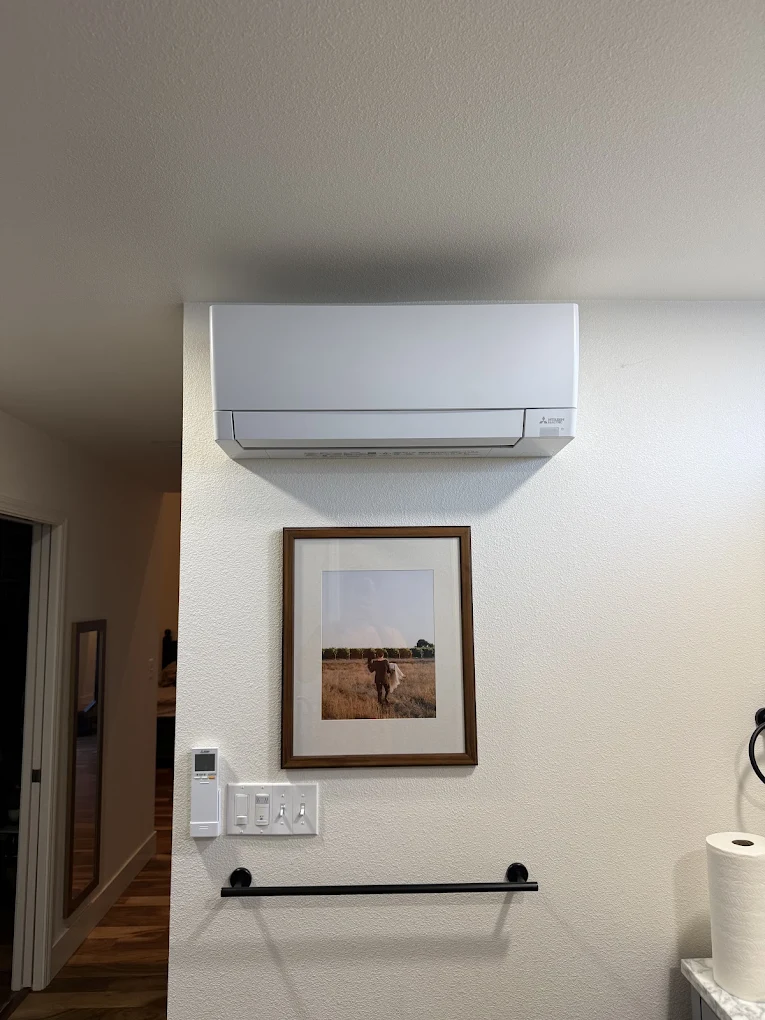
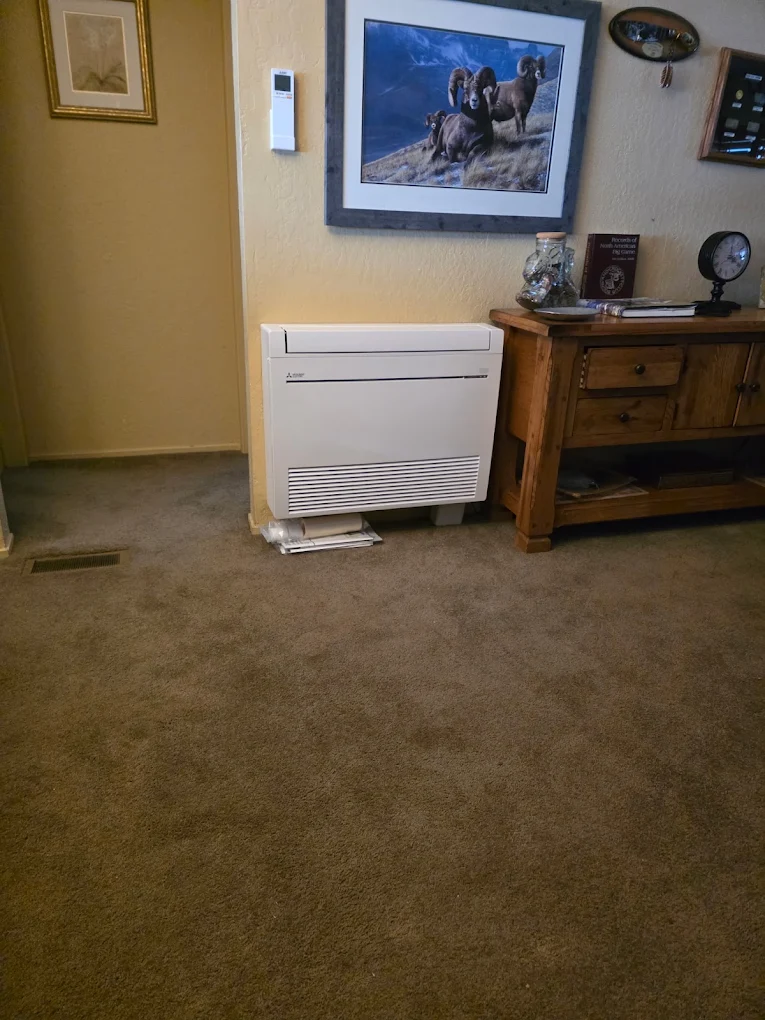
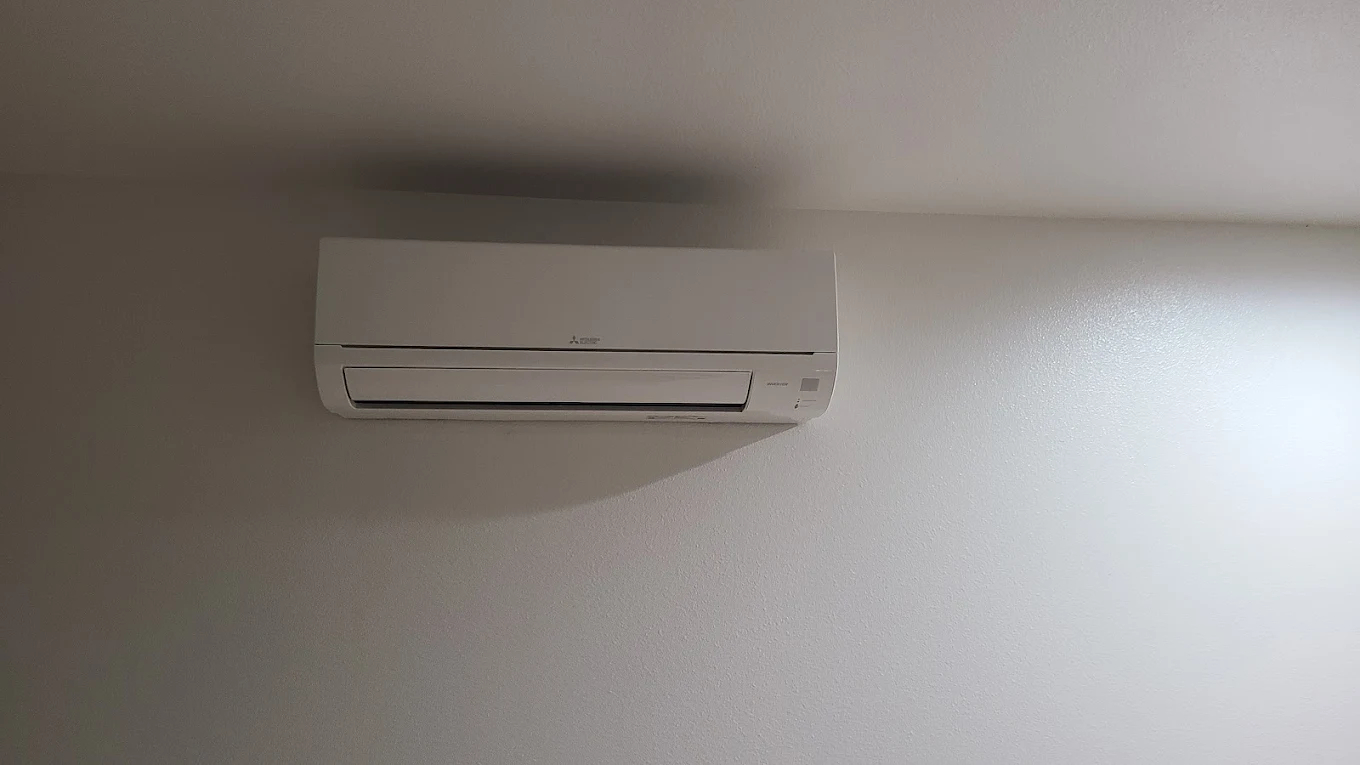
- Ductless mini-split systems
Normal Cycle vs. Short Cycle
How do you know if your system is cycling normally or short cycling? Cycle length depends on the weather, the size of your home and your equipment, but this table gives you a general idea:
| What to Look At | Normal Cycling | Short Cycling |
|---|---|---|
| Run time per cycle | Usually around 10–20 minutes | Often less than 5–10 minutes |
| Cycles per hour | About 2–3 in moderate weather | Many more, sometimes every few minutes |
| Indoor temperature | Reaches the thermostat setting | Struggles to reach the setting |
| Humidity | Air feels dry and comfortable | Air feels damp or sticky |
| Energy bills | Steady from month to month | Higher than usual for no clear reason |
On extremely hot days, it’s normal for an AC to run longer, sometimes almost nonstop. Short cycling is the opposite: short bursts of running with frequent stops.
Warning Signs Your System Is Short Cycling
You don’t need special tools to notice short cycling. Pay attention to these signs:
- The system turns on and off every few minutes. You hear the outdoor unit or furnace start and stop much more often than usual.
- Your home never feels quite comfortable. Some rooms stay warm in summer or cool in winter.
- The air feels humid or clammy. Your AC isn’t running long enough to pull moisture out of the air.
- Your energy bills went up. Frequent startups use a lot of electricity.
- You hear clicking at the thermostat or unit. Repeated clicking often means the system keeps trying to restart.
- Ice on the refrigerant lines or indoor coil. This is a sign of airflow or refrigerant problems.
If you can count more than a few on-off cycles in a single hour on a mild day, it’s time to take a closer look.
A simple test: for 30–60 minutes, write down every time the system starts and stops. That also helps your technician diagnose the problem faster.
8 Common Causes of Short Cycling
Short cycling is a symptom, not a diagnosis. Several different problems can cause it. Here are the most common ones we find in homes from Fresno to Visalia.
1. A Dirty or Clogged Air Filter
This is the most common cause and the easiest to fix.
When the filter is clogged, air can’t flow through the system. In an AC, the indoor coil can get too cold and freeze. In a furnace, the heat exchanger can overheat, and a safety switch shuts the system off to protect it.
The system stops early, then tries again, until the filter is changed.
2. Thermostat Problems
Your thermostat is the brain of your HVAC system. If it gives the wrong information, the whole system behaves badly.
- Bad location: A thermostat in direct sunlight, near a kitchen or right next to a supply vent reads the wrong temperature and shuts the system off too soon.
- Low batteries or loose wiring: These can cause the thermostat to lose its signal and restart the system.
- Old or failing thermostat: Worn sensors can give inaccurate readings.
Sometimes the fix is as simple as moving the thermostat or upgrading to a modern model. A professional smart thermostat installation gives you more accurate readings and better control over your system.
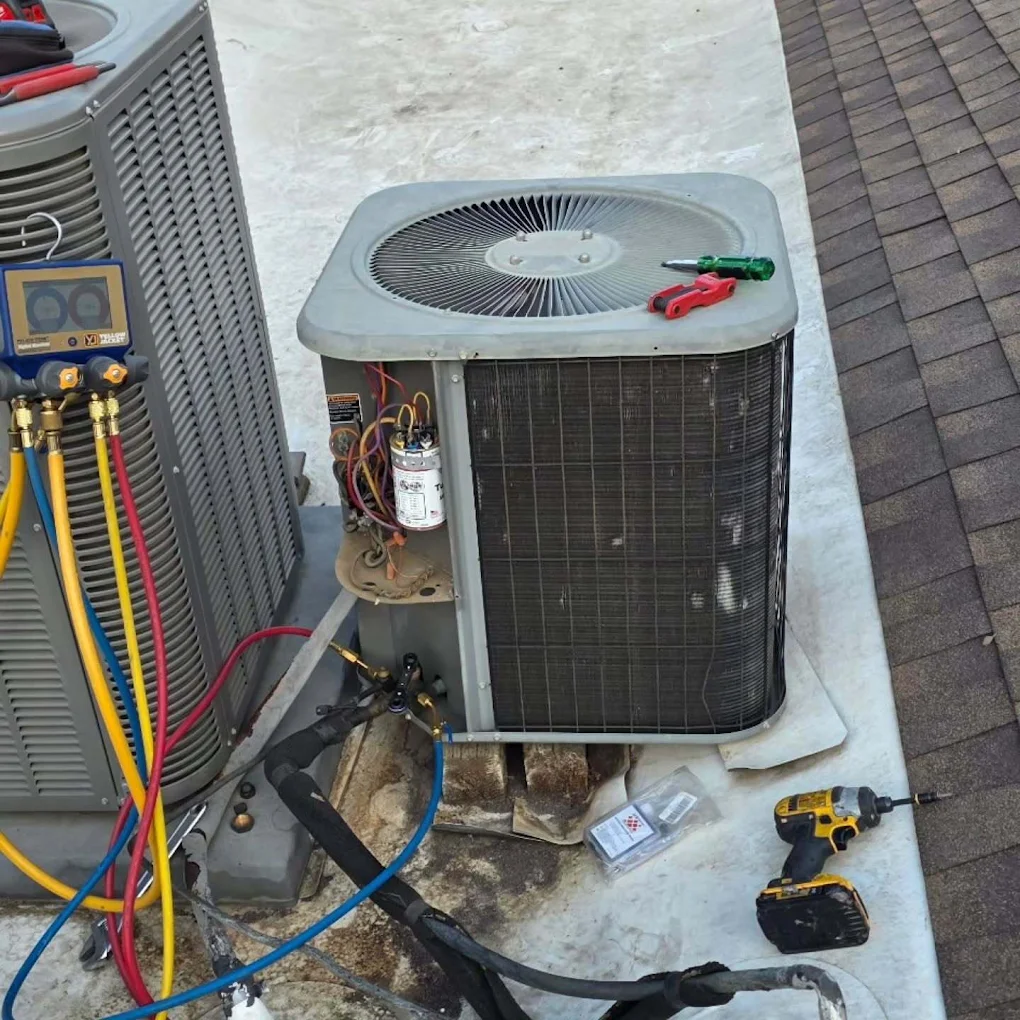
3. Low Refrigerant from a Leak
Your AC or heat pump doesn’t “use up” refrigerant. If it’s low, there’s a leak somewhere.
Low refrigerant drops the pressure inside the system. Pressure switches detect this and shut the compressor off to protect it. Once pressure recovers, the system starts again, and the cycle continues.
Low refrigerant can also freeze the indoor coil and reduce cooling. Only an EPA-certified technician can legally find the leak, repair it and recharge the system.
4. Frozen Evaporator Coil
A frozen coil is usually the result of another problem, such as a dirty filter, low refrigerant or a weak blower motor.
When ice builds up, air can’t move across the coil. The system may shut off, run briefly, then shut off again. If you see ice, turn the cooling off and let it thaw before calling for service.
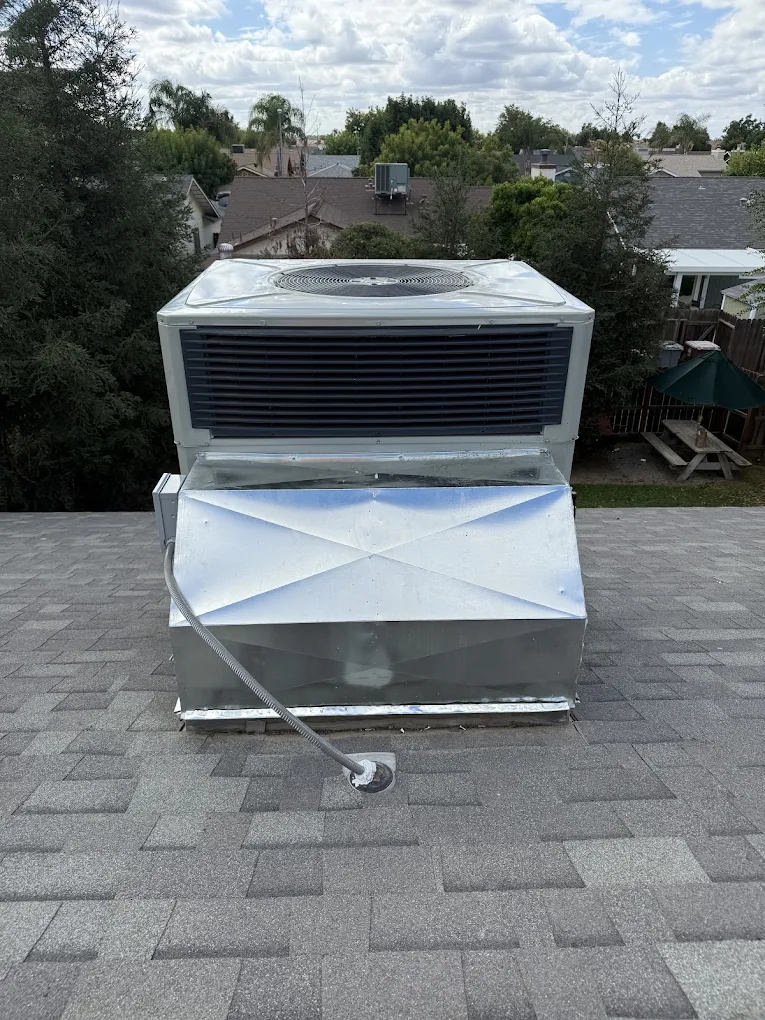
5. An Oversized HVAC System
Bigger isn’t always better. An air conditioner or furnace that’s too large for your home cools or heats the space too quickly, hits the thermostat setting and shuts off. Then the temperature drifts, and it starts again.
Oversized systems are a common cause of short cycling, high humidity and uneven temperatures. They usually come from installations where the home was never properly measured.
A properly sized system runs longer, steadier cycles. That’s what keeps your home comfortable and your equipment healthy.
If your system was oversized from the start, the long-term solution may be a correctly sized AC replacement based on a real load calculation, not a guess.
6. Dirty Condenser Coils
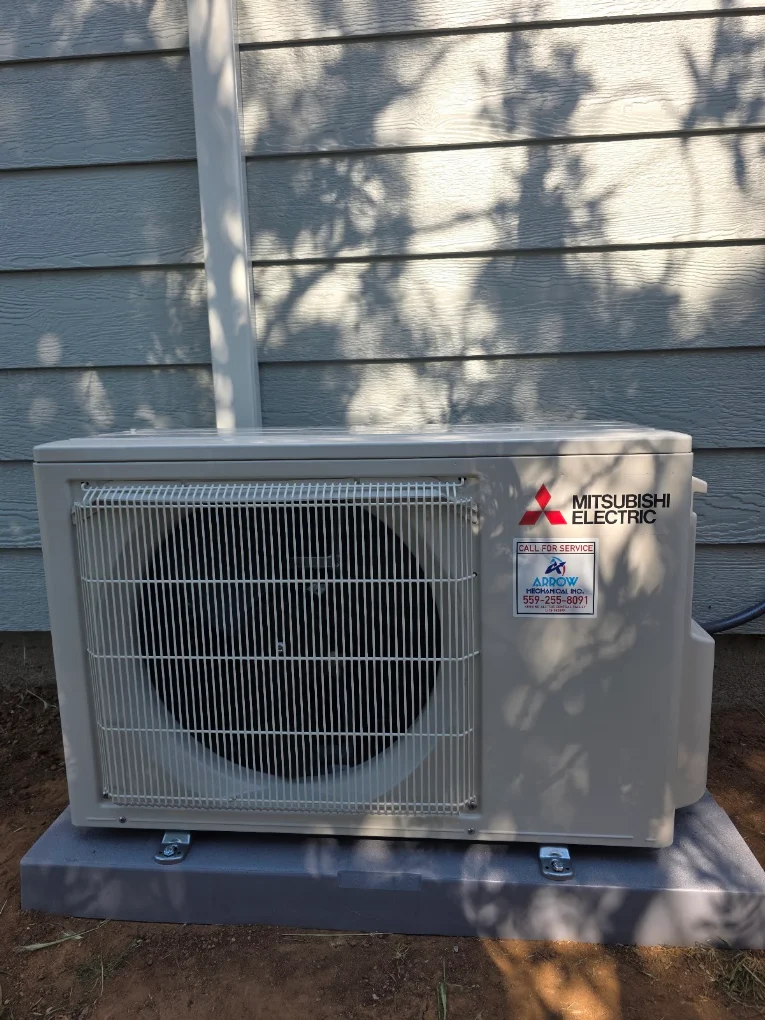
The outdoor unit releases the heat removed from your home. When its coils are covered in dust, grass and debris, the unit can’t release heat properly.
The system overheats, and a safety limit shuts it down. In the Central Valley, where dust and farm debris are everywhere, dirty outdoor coils are a very common problem.
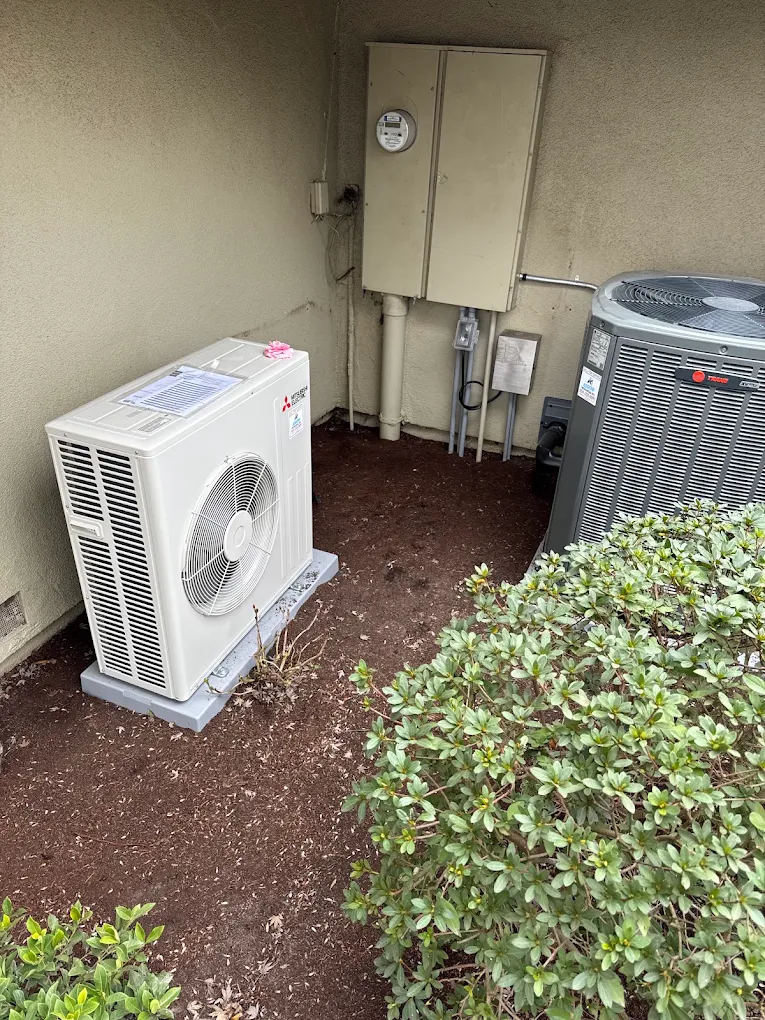
7. Electrical Problems
Failing capacitors, worn contactors, loose wiring and bad relays can all cause a system to start and stop at the wrong times.
These parts handle high voltage. Electrical problems should always be handled by a trained technician, never by a homeowner.
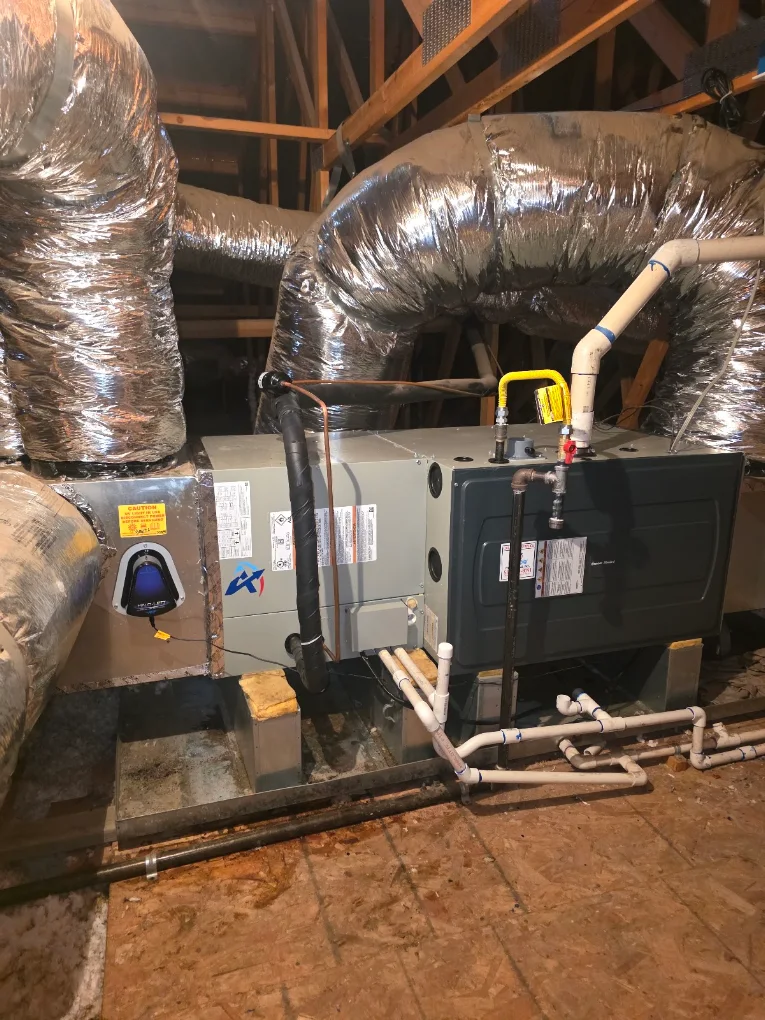
8. Furnace-Specific Problems
In heating season, short cycling often points to one of these:
- Dirty flame sensor: The burners light, the sensor can’t detect the flame, and the furnace shuts off for safety a few seconds later.
- Overheating: Restricted airflow makes the heat exchanger too hot, and the limit switch shuts the burners off.
- Blocked exhaust or intake: Safety switches stop the furnace when venting isn’t working properly.
If your furnace turns on and off repeatedly, schedule a furnace repair visit. Overheating and venting problems are safety issues, not just comfort issues.
Quick Guide: Causes at a Glance
Use this table to get a quick idea of what might be behind your short cycling, and who should handle it:
| Cause | Common Clues | Who Should Fix It |
|---|---|---|
| Dirty air filter | Weak airflow, dusty vents | Homeowner |
| Thermostat issue | Blank screen, wrong readings, sunny location | Homeowner (batteries) or technician |
| Low refrigerant | Hissing, ice on lines, weak cooling | EPA-certified technician |
| Frozen coil | Ice on indoor coil or copper lines | Technician (after thawing) |
| Oversized system | Short runs since installation, humid air | Technician / replacement |
| Dirty condenser coils | Debris on outdoor unit, hot air from top | Homeowner (light rinse) or technician |
| Electrical failure | Clicking, buzzing, unit hums but won't start | Technician only |
| Furnace flame sensor or overheating | Burners light then shut off quickly | Technician only |
The Real Cost of Ignoring Short Cycling
Many homeowners live with short cycling for weeks because the house still feels “mostly okay.” That’s a costly mistake.
Here’s what happens when short cycling is left alone:
| Problem | What It Means for You |
|---|---|
| Compressor wear | The compressor works hardest at startup. Constant restarts can lead to early failure of the most expensive part of your AC. |
| Higher energy bills | Starting up uses more power than running steadily. More starts mean more wasted electricity. |
| Poor comfort | Rooms never fully reach the set temperature, and hot or cold spots appear. |
| High humidity | Short runs don't remove moisture, so your home feels sticky and can encourage mold growth. |
| Shorter system life | Motors, contactors and capacitors wear out faster, which can force a full replacement years early. |
| Bigger repair bills | A small issue, like a dirty coil or bad capacitor, can turn into a failed compressor or motor. |
Short cycling rarely fixes itself. The longer it continues, the more likely a simple repair turns into a major one.
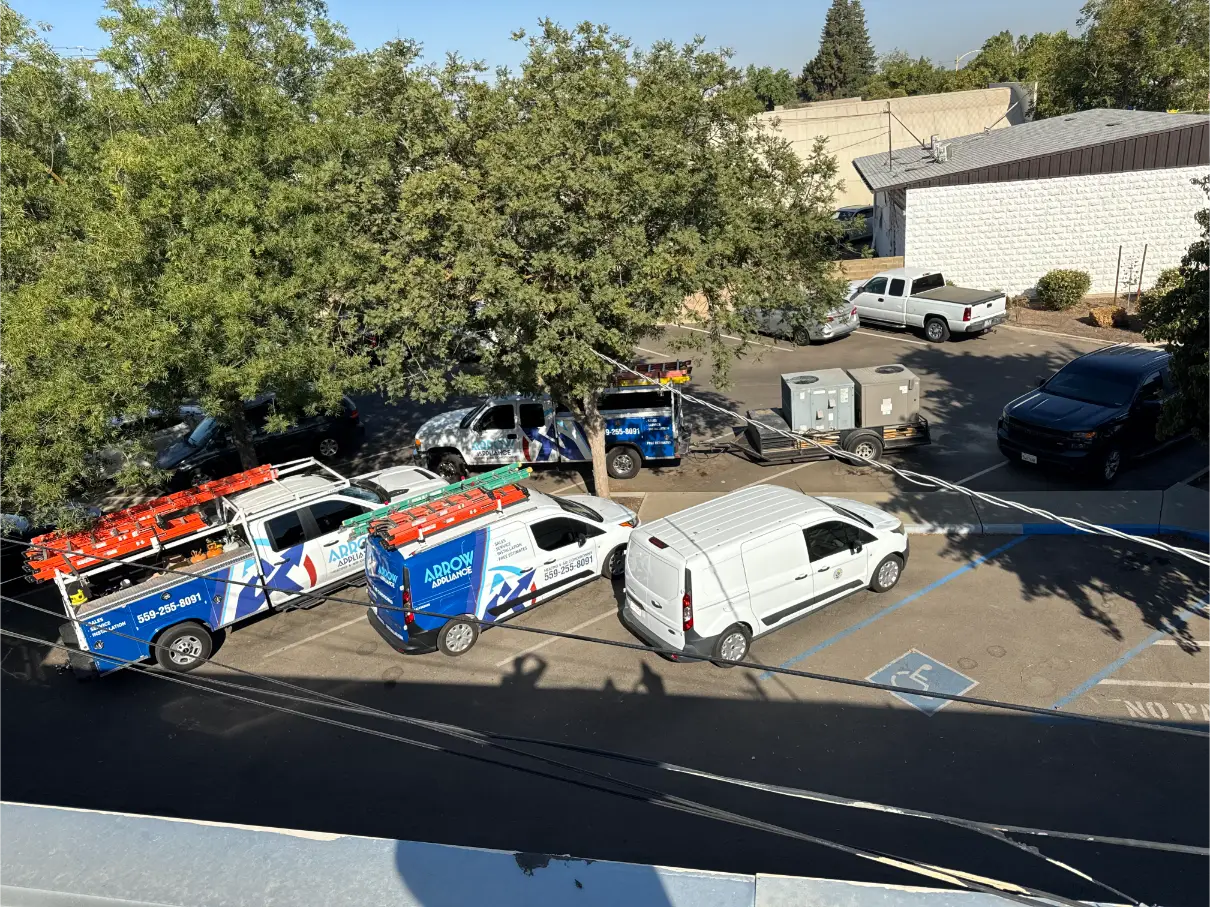
In Fresno, Visalia and the rest of the Central Valley, summers regularly reach triple digits. A system that’s already struggling is much more likely to break down completely on the hottest day of the year, exactly when you need it most and when repair schedules are busiest.
What You Can Safely Check at Home
Before you call, there are a few simple things you can check yourself. These steps are safe for any homeowner:
- Replace the air filter. If you can’t see light through it, it’s time for a new one.
- Check the thermostat. Replace the batteries and make sure it’s not in direct sunlight or next to a vent, lamp or appliance.
- Open all supply vents. Closed or blocked vents restrict airflow and stress the system.
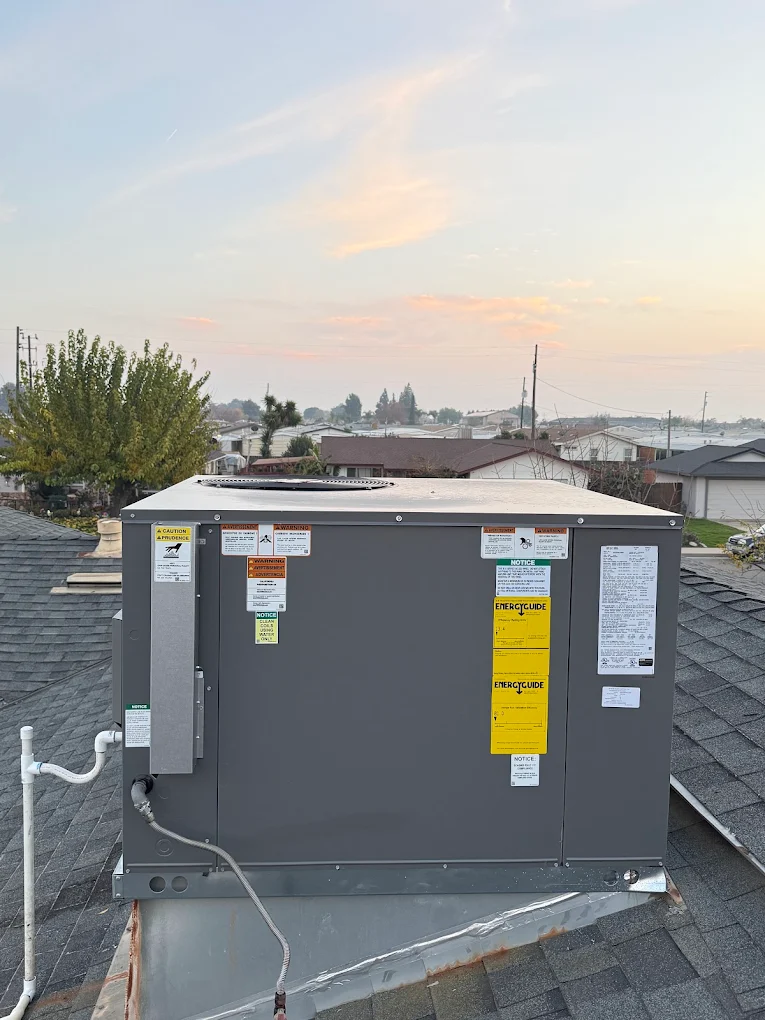
- Clear the outdoor unit. Remove leaves and debris and keep about 2 feet of open space around it.
- Look for ice. If the copper lines or indoor coil are frozen, turn the cooling off and let the system thaw.
If it’s still turning on and off too often after these steps, the cause likely needs professional tools.
Never open electrical panels, add refrigerant or bypass safety switches. These parts protect your home and your family.
When to Call a Professional
Call an HVAC technician if:
- Short cycling continues after you replace the filter and check the thermostat.
- You see ice on the coil or refrigerant lines more than once.
- You hear hissing, buzzing, grinding or repeated clicking.
- Your furnace lights and then shuts off within seconds.
- You smell burning or notice a gas odor. If you smell gas, leave the home and call your gas utility right away.
- Your system has short cycled since the day it was installed.
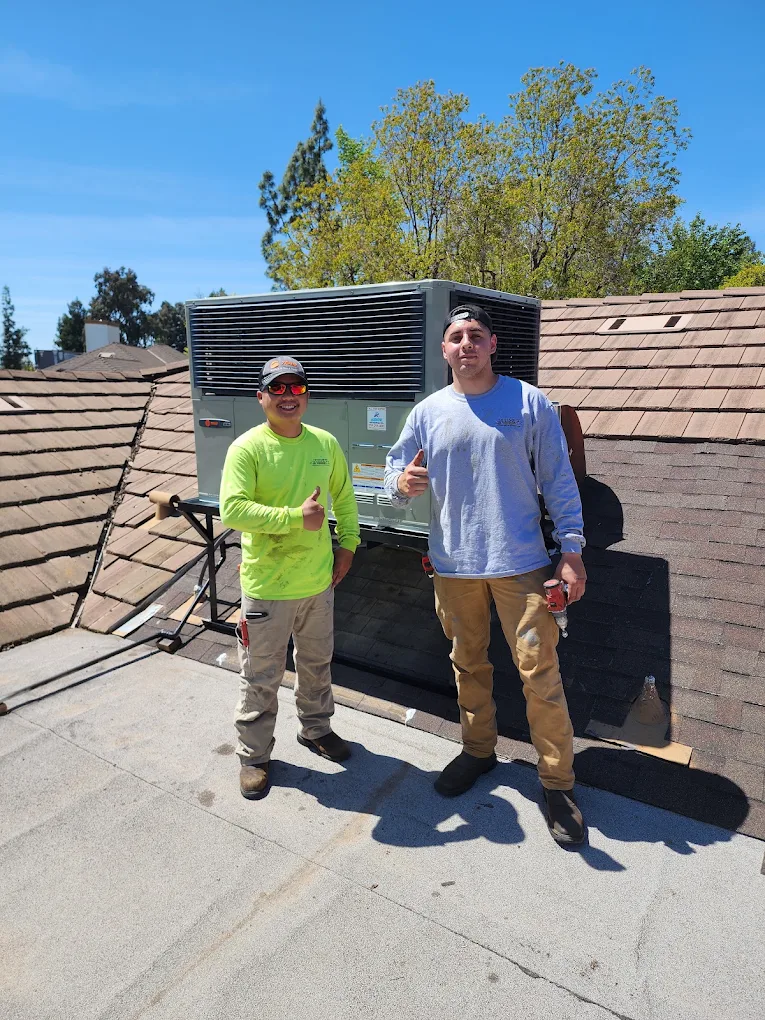
A good technician won’t just reset the system and leave. At Arrow, we find the root cause. Our HVAC inspections and diagnostics check refrigerant levels, electrical components, airflow, thermostat operation and system sizing, so you know exactly what’s wrong.
If the issue is in your cooling system, our AC repair team can fix leaks, replace failed capacitors and contactors, clean coils and get your system running full, steady cycles again.
Sometimes the real problem is in the ductwork. Leaky, crushed or undersized ducts can starve the system of airflow. Our ductwork and ventilation services find and fix those hidden problems.
We’re not a “blow and go” company. We take the time to explain what we find and recommend only what your system actually needs.
How to Prevent Short Cycling
The best way to deal with short cycling is to stop it before it starts. These habits make a big difference:
- Change your filter regularly. In the Central Valley, check it every month in summer and replace it every 1–2 months.
- Keep the outdoor unit clean. Rinse dust off the coils and trim plants around it.
- Don’t close too many vents. Your system is designed to move air through the whole home.
- Place the thermostat correctly. An interior wall away from sunlight, vents and appliances works best.
- Schedule maintenance twice a year. Service your AC in spring and your heating system in fall.
Professional AC tune-ups and preventive maintenance catch many causes of short cycling early, like low refrigerant, weak capacitors and dirty coils, before they damage your compressor.
Refrigerant handling is also regulated by federal law. You can learn more about the rules technicians follow on the EPA Section 608 refrigerant management page.
Frequently Asked Questions
How long should an AC run before turning off?
Is it safe to keep running my AC if it's short cycling?
Why does my furnace turn on and then shut off right away?
Can an oversized AC be fixed without replacing it?
Does short cycling increase my energy bill?
Stop the On-and-Off Cycle Today
Short cycling is your HVAC system’s way of telling you something is wrong. The sooner you act, the more likely it is that a simple repair will solve the problem.
Since 1976, families and businesses from Fresno to Visalia have trusted Arrow Appliance Heating & Air Conditioning for honest, accurate and reliable HVAC service.
Call (559) 255-8091 or request your free quote online, and let’s get your system running the way it should.