
A Central Valley Homeowner’s Guide to Filtration and Duct Design
Living in the Central Valley means enjoying beautiful landscapes, rich agriculture, and vibrant communities. However, it also means dealing with unique air quality challenges. From seasonal agricultural dust and pollen to wildfire smoke trapping contaminants in the valley, the air we breathe outdoors can often be harsh.
But what about the air inside your home? Many homeowners assume their indoor air is safe, but without the right systems in place, your home can actually trap and concentrate these outdoor pollutants.
If you want to ensure your family is breathing clean, healthy air, it all comes down to two critical factors: advanced filtration and proper duct design.
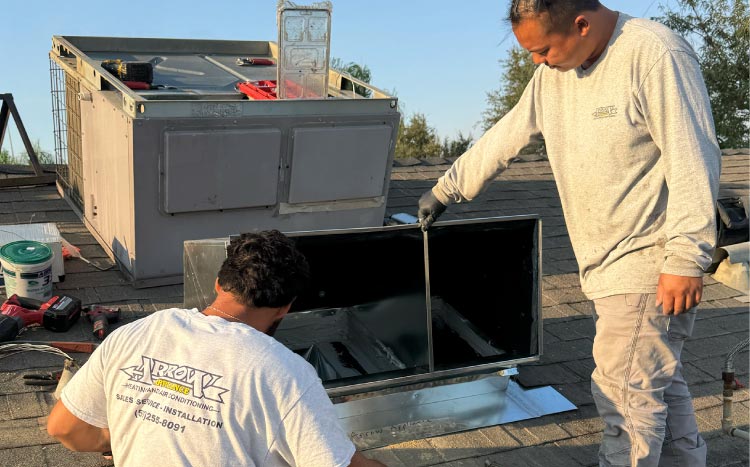
1. The Central Valley Air Challenge
Our geographical location acts like a natural bowl, trapping airborne particles, smog, and allergens right here in the valley. Every time doors or windows open—or through tiny structural cracks—these pollutants enter your living space.
Standard, basic 1-inch fiberglass filters are designed to protect your HVAC equipment from large dust bunnies, but they do almost nothing to protect your lungs from fine particulate matter PM2.5. To achieve true safety and comfort, your home needs a more robust defense system through professional indoor air quality services.
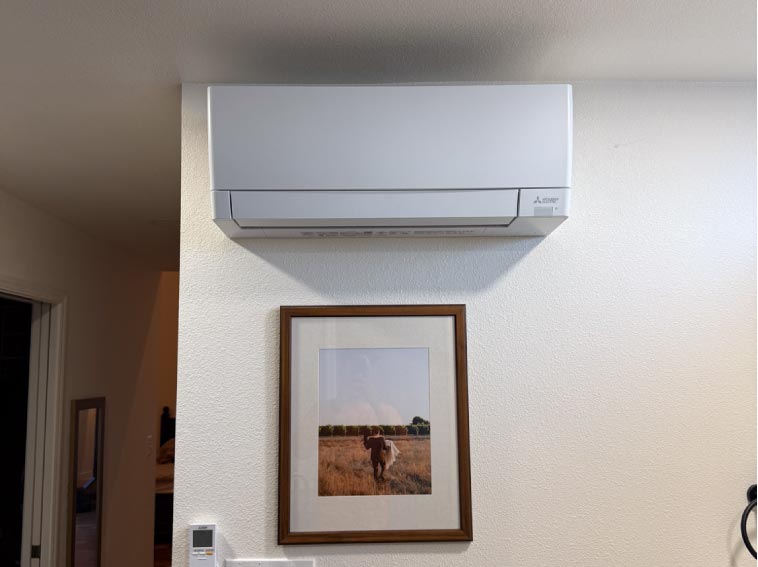
2. The Power of Proper Filtration (MERV Ratings Demystified)
Upgrading your air filter is the first line of defense against indoor air pollution. However, you can’t just throw any high-efficiency filter into your system. Air filters are rated by the Minimum Efficiency Reporting Value (MERV), ranging from 1 to 16 for residential spaces:
- MERV 1–4: Standard fiberglass filters. They only catch large particles and offer minimal air quality benefits.
- MERV 8–11: The residential sweet spot. These filters trap pollen, dust mites, mold spores, and pet dander without severely restricting airflow.
- MERV 13–16: Hospital-level filtration. These are highly effective at capturing bacteria, smoke, and microscopic viruses.
Important Note: High-MERV filters are thicker and denser. If your HVAC system wasn’t designed to handle a restrictive filter, installing a MERV 13 filter can restrict airflow, causing your system to work harder, spike your energy bills, or even freeze up.
At Arrow HVAC, we evaluate your equipment during routine AC maintenance to find the maximum MERV rating your system can safely handle, or we can install specialized filter media cabinets to accommodate high-efficiency filtration seamlessly.
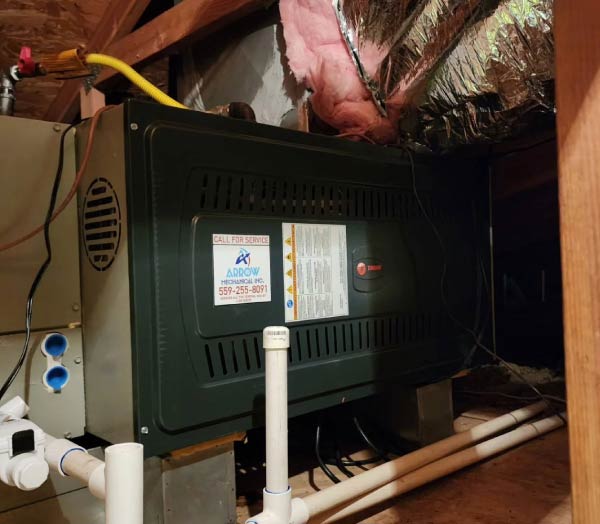
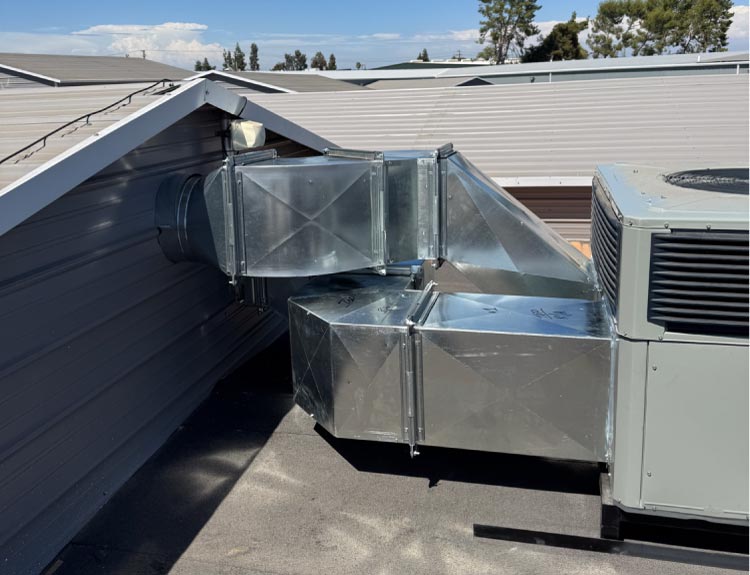
3. Why Duct Design and Sealing Matter for Clean Air
You could buy the most expensive filter on the market, but it won’t matter if your ductwork is failing. Think of your duct system as the circulatory system of your home. If there are leaks or design flaws, your air quality suffers dramatically.
The Danger of Poor Duct Design
When ducts are improperly sized or poorly routed, they create pressure imbalances. Negative pressure in certain zones can actively pull unconditioned, unfiltered air straight out of your attic, crawlspaces, or garage and dump it directly into your bedrooms and living room.
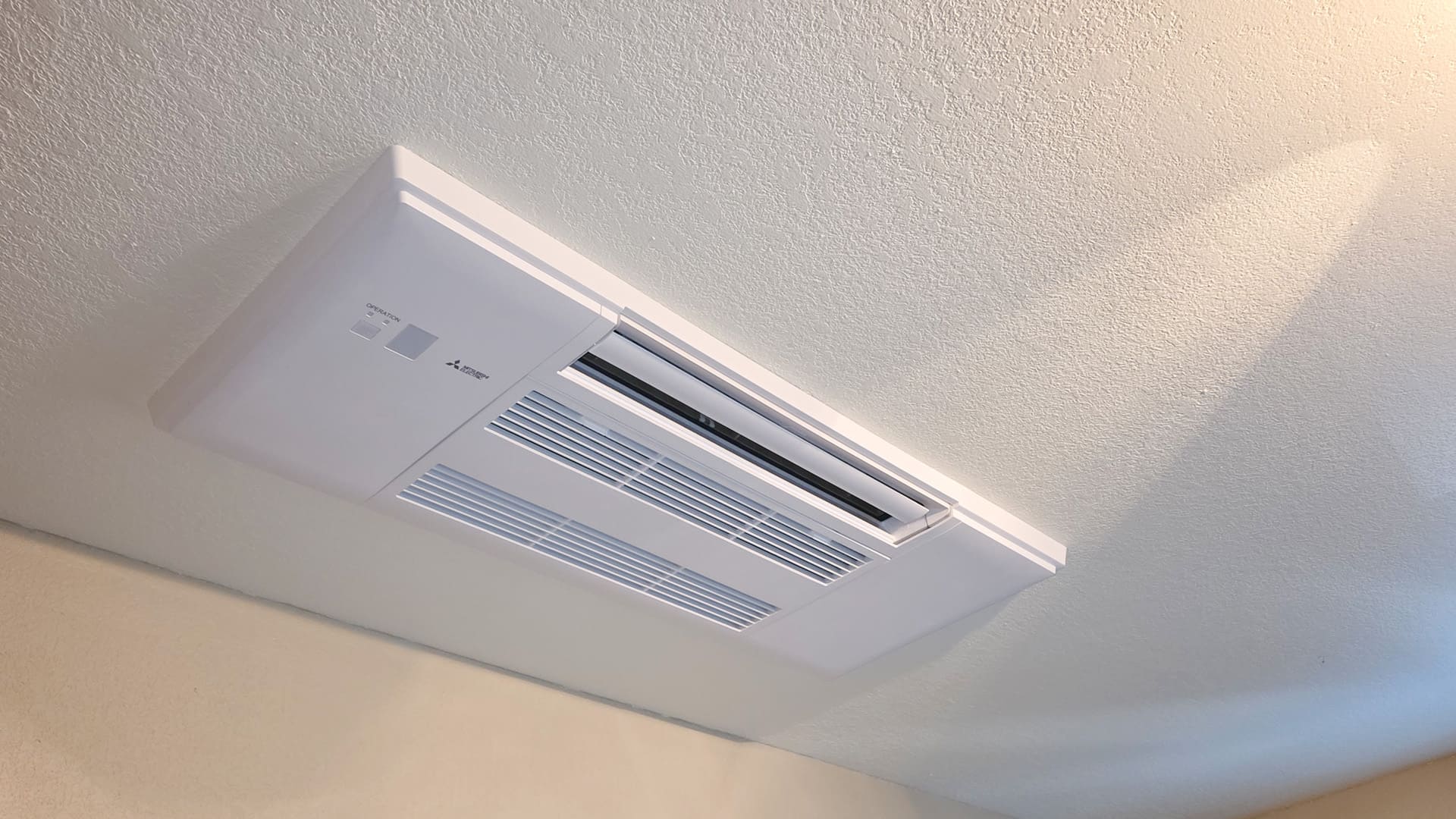
The Role of Duct Sealing
According to industry standards, the average home loses about 20% to 30% of its conditioned air through leaks, holes, and poor connections. In the Central Valley, those leaks aren’t just wasting your money—they are pulling dust, insulation fibers, and outdoor allergens directly into your breathing air, bypassing the filter entirely.
A properly engineered system through a professional air conditioning installation ensures that all the air in your home passes through the filtration system, maintaining a clean, pressurized barrier against outside pollutants.
Take Control of Your Indoor Air Quality Today
Your home should be a safe haven from the elements, not a trap for allergens and dust. Ensuring your indoor air is safe requires a holistic approach that pairs high-efficiency filtration with a well-designed, airtight duct system.
At Arrow HVAC, we specialize in customizing air quality solutions specifically for Central Valley homes. Whether you need a ductwork inspection, a system balance, or an advanced filtration upgrade, our team is here to help you breathe easier.
Contact Arrow HVAC today to schedule your indoor air quality assessment!
Frequently Asked Questions
How often should I change my air filter in the Central Valley?
Due to our region’s high levels of agricultural dust and pollen, we recommend checking your filter every 30 days. If you use a basic 1-inch pleated filter, replace it monthly. If you have a high-efficiency 4-to-5-inch media filter, it can last 3 to 6 months, but you should still inspect it regularly during peak allergy or wildfire seasons.
Can I just buy the highest MERV rating filter at the store for my system?
We don’t recommend it without consulting a professional first. High MERV filters (like MERV 13 or higher) are very dense. If your HVAC system isn’t designed or modified to handle that level of airflow restriction, it can choke the system. This leads to frozen coils, a damaged compressor, and higher energy bills.
How do I know if my ductwork has leaks or is poorly designed?
Look out for these common warning signs:
-
Excessive dust on surfaces, even shortly after cleaning.
-
Rooms that stay noticeably warmer or cooler than the rest of the house.
-
A sudden, unexplained spike in your monthly utility bills.
-
A musty or dusty smell whenever the A/C or heat kicks on.
What is the difference between air filtration and air purification?
A standard HVAC filter is designed to catch solid particles (like dust, pollen, and pet dander) before they damage your equipment. An air purifier or an in-duct UV light system goes a step further by neutralizing microscopic contaminants—such as viruses, bacteria, VOCs, and odors—that standard filters can’t trap.
Why is indoor air quality often worse than outdoor air?
Modern homes are built to be tightly sealed for energy efficiency. While this keeps your conditioned air inside, it also traps pollutants (from cooking, cleaning, pets, and outdoor dust that sneaks in). Without proper filtration and a well-balanced duct system, these contaminants just keep recirculating through your living spaces.